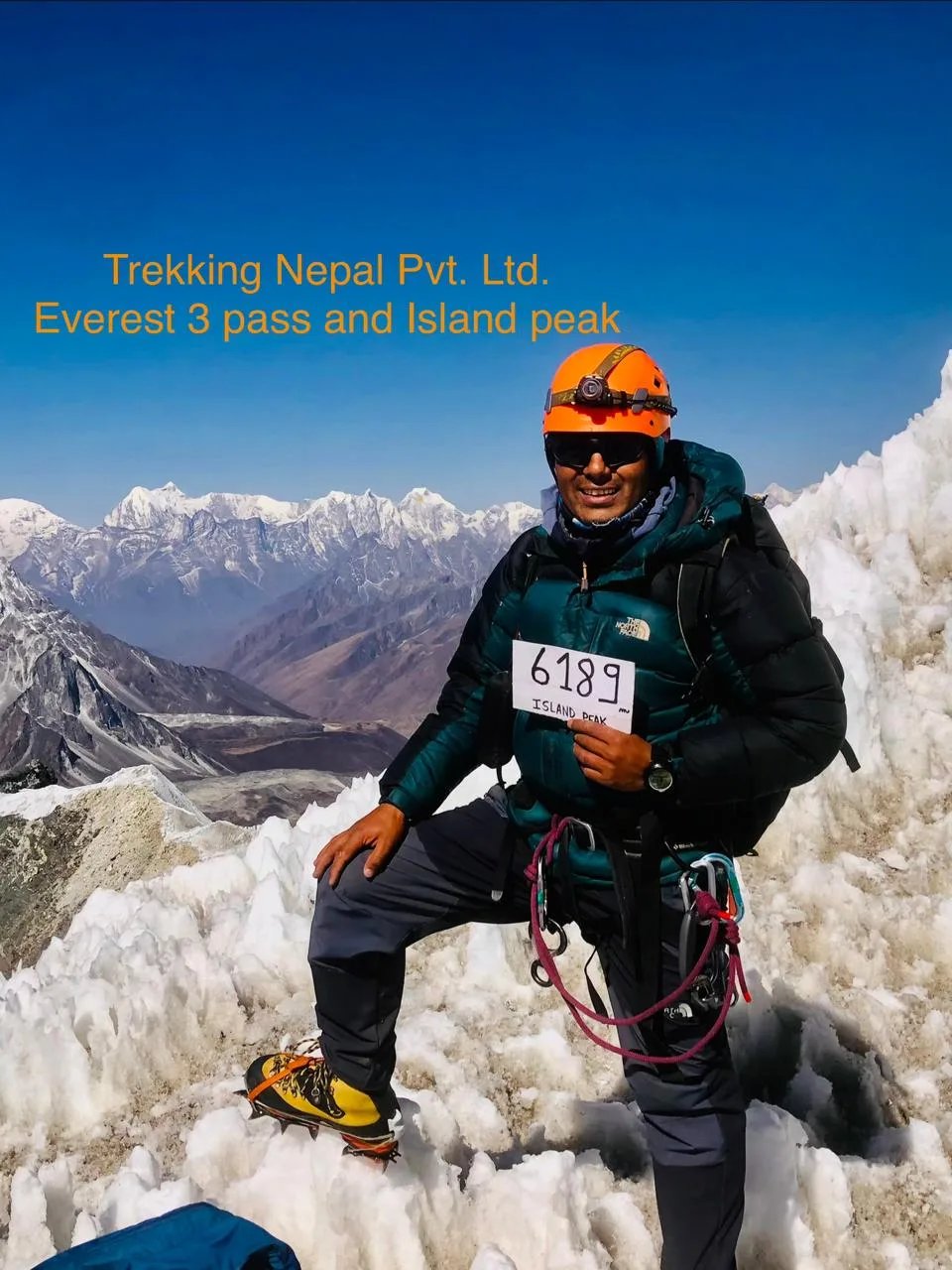
Trekking Nepal Pvt.Ltd.

Everest Three Pass Trek with Gokyo Lakes & Base Camp
The Everest Three Passes Trek is the most complete and adventurous journey in the Everest region, combining Everest Base Camp, Gokyo Lakes, and remote Himalayan valleys into one epic circuit in the Khumbu region.
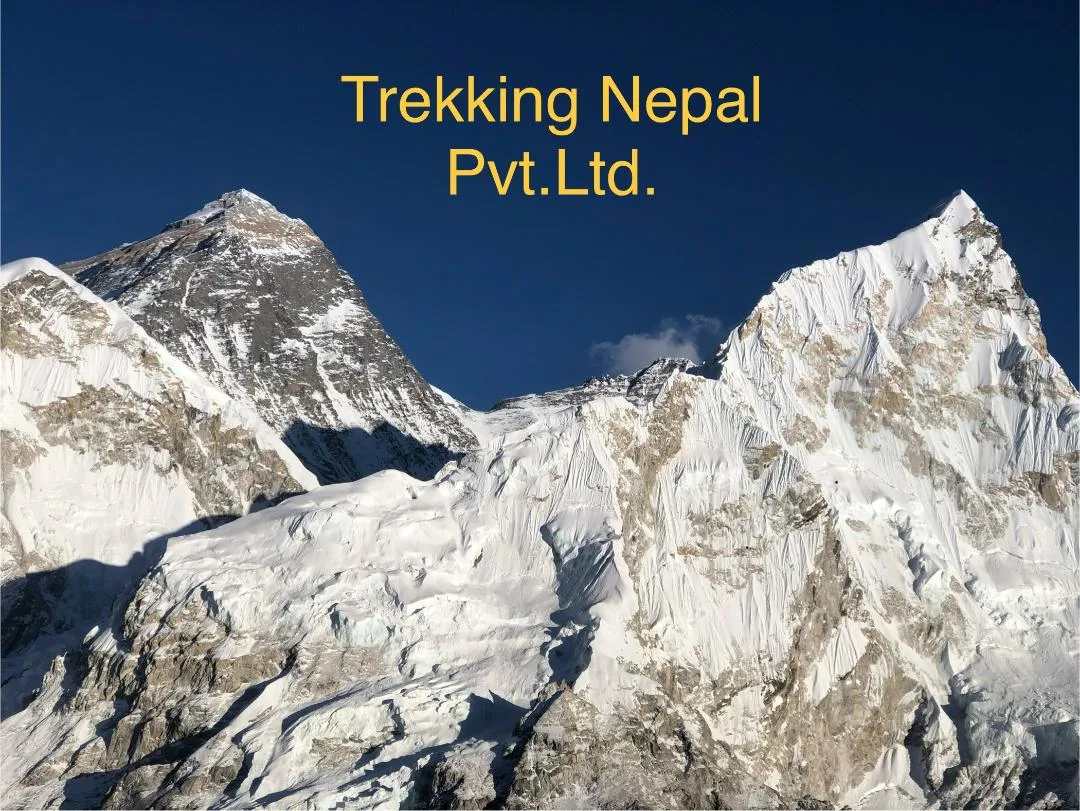
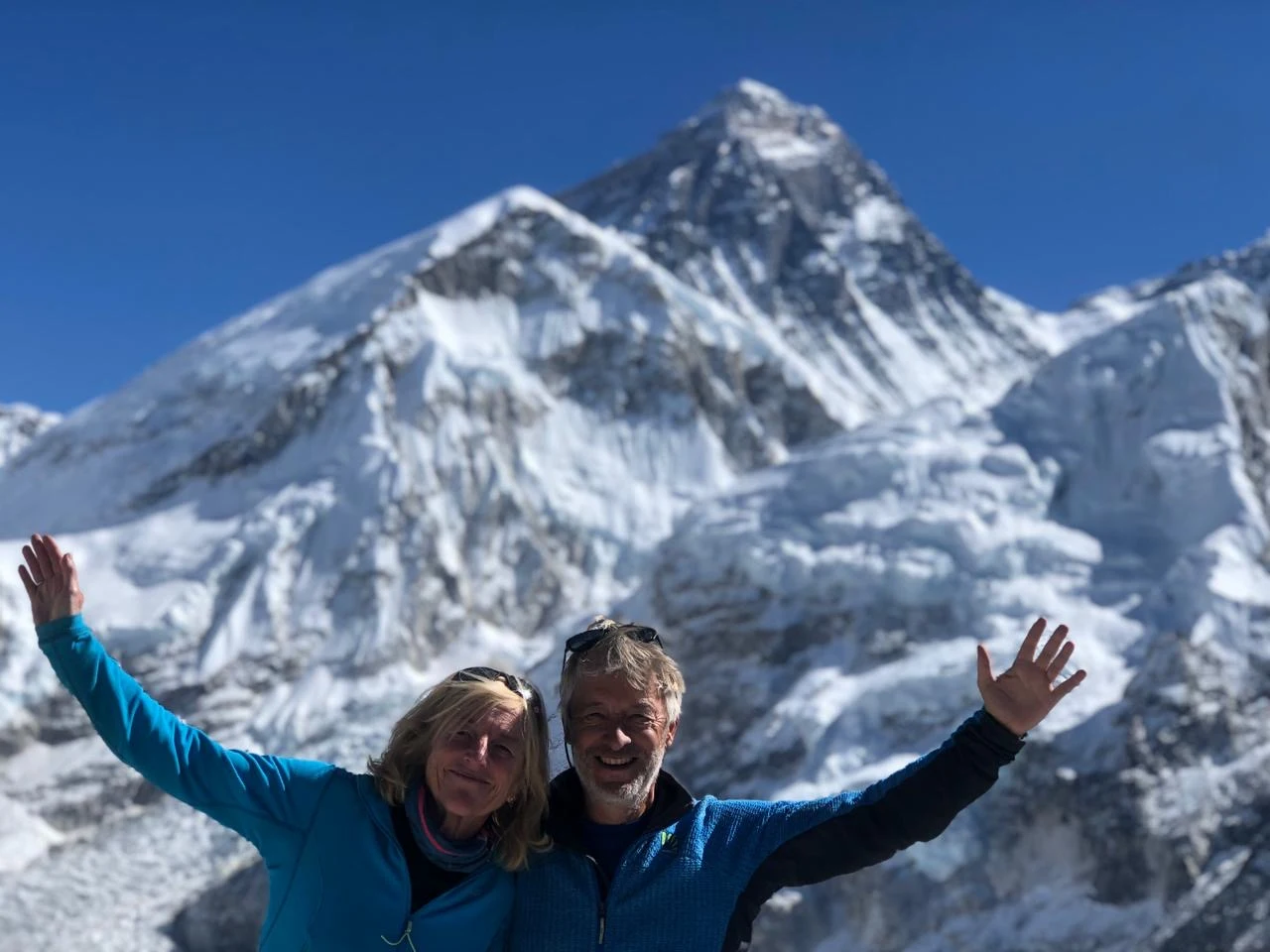
This challenging trek crosses three high mountain passes above 5,300 m — Renjo La (5,360 m), Cho La (5,420 m), and Kongma La (5,535 m) — offering breathtaking views of the world’s highest peaks, including Mount Everest, Lhotse, Makalu, and Cho Oyu.
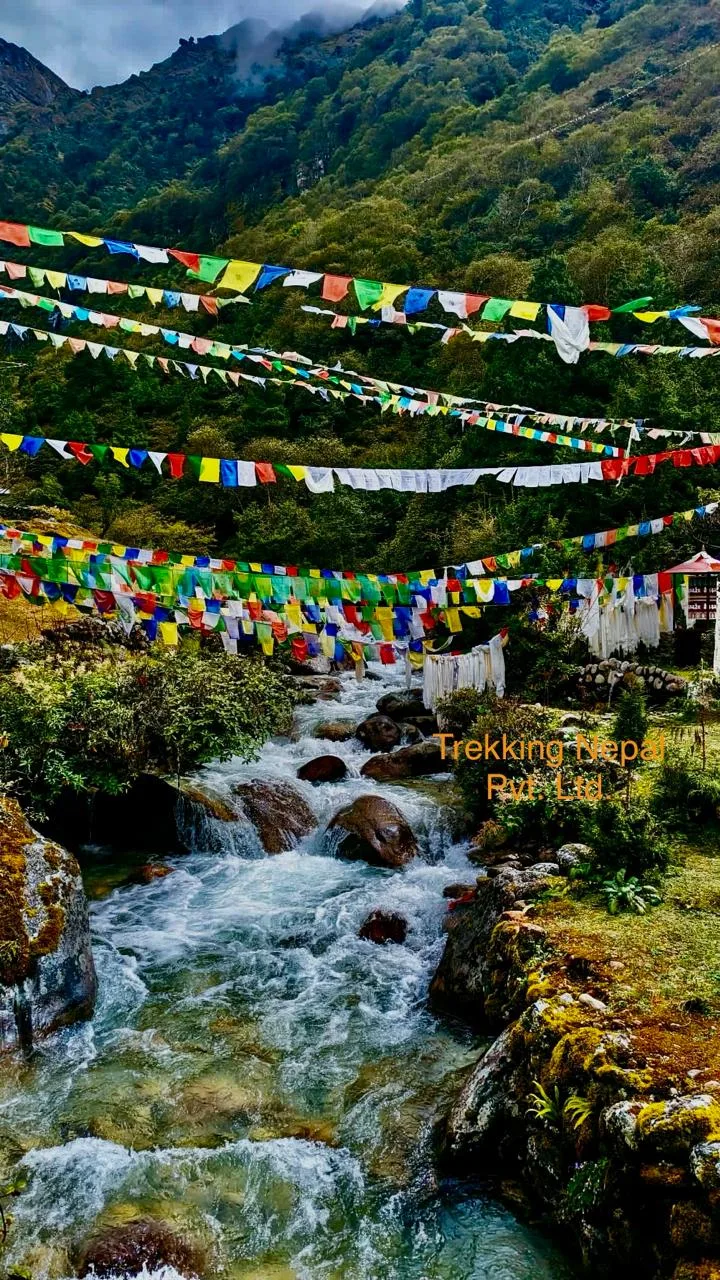
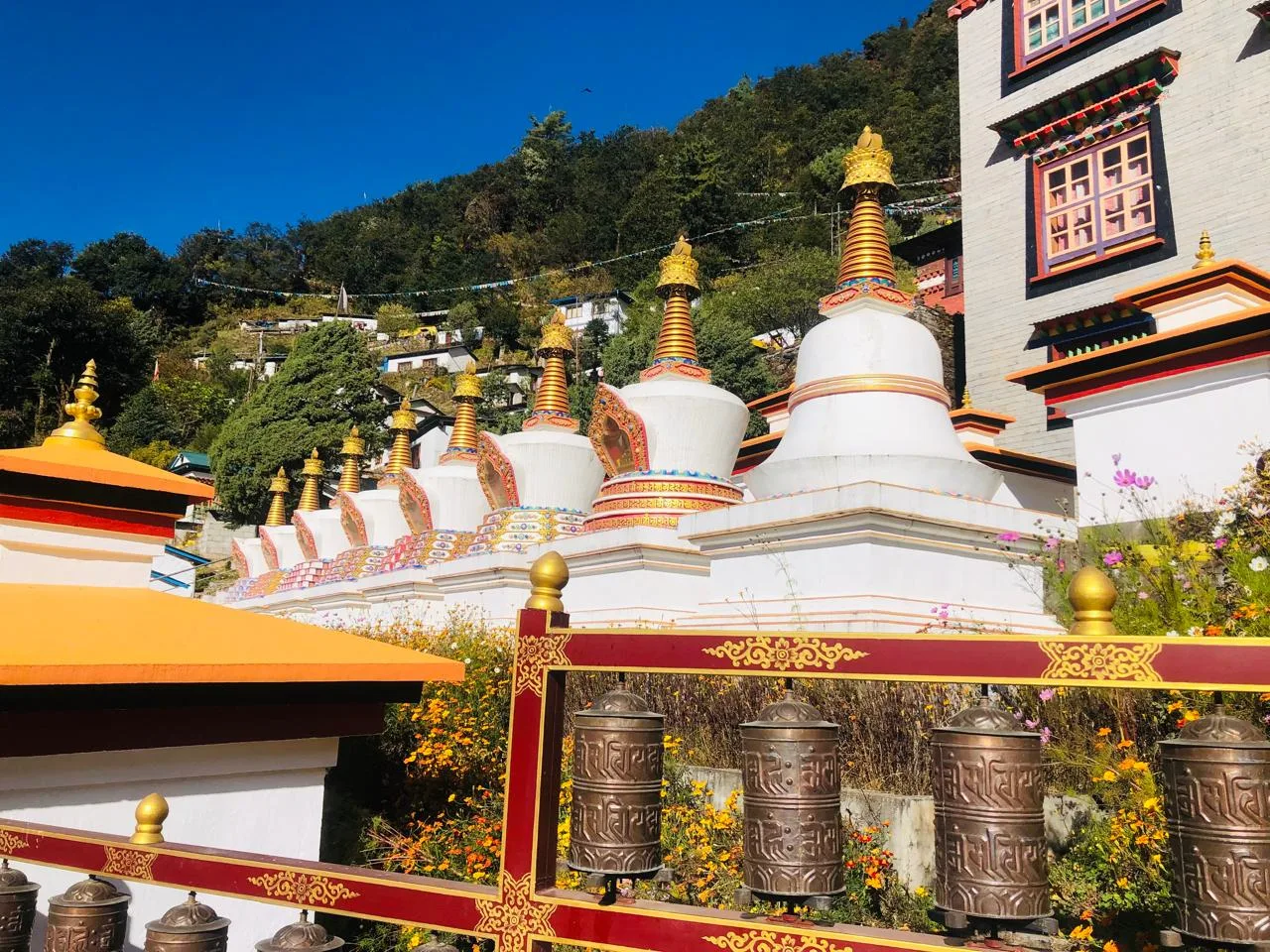
Along the route, you will explore traditional Sherpa villages, ancient Buddhist monasteries, glaciers, and crystal-clear sacred lakes. Highlights include famous viewpoints like Gokyo Ri (5,360 m), Kala Patthar (5,643 m), and Chhukung Ri (5,550 m), each offering unforgettable Himalayan panoramas.
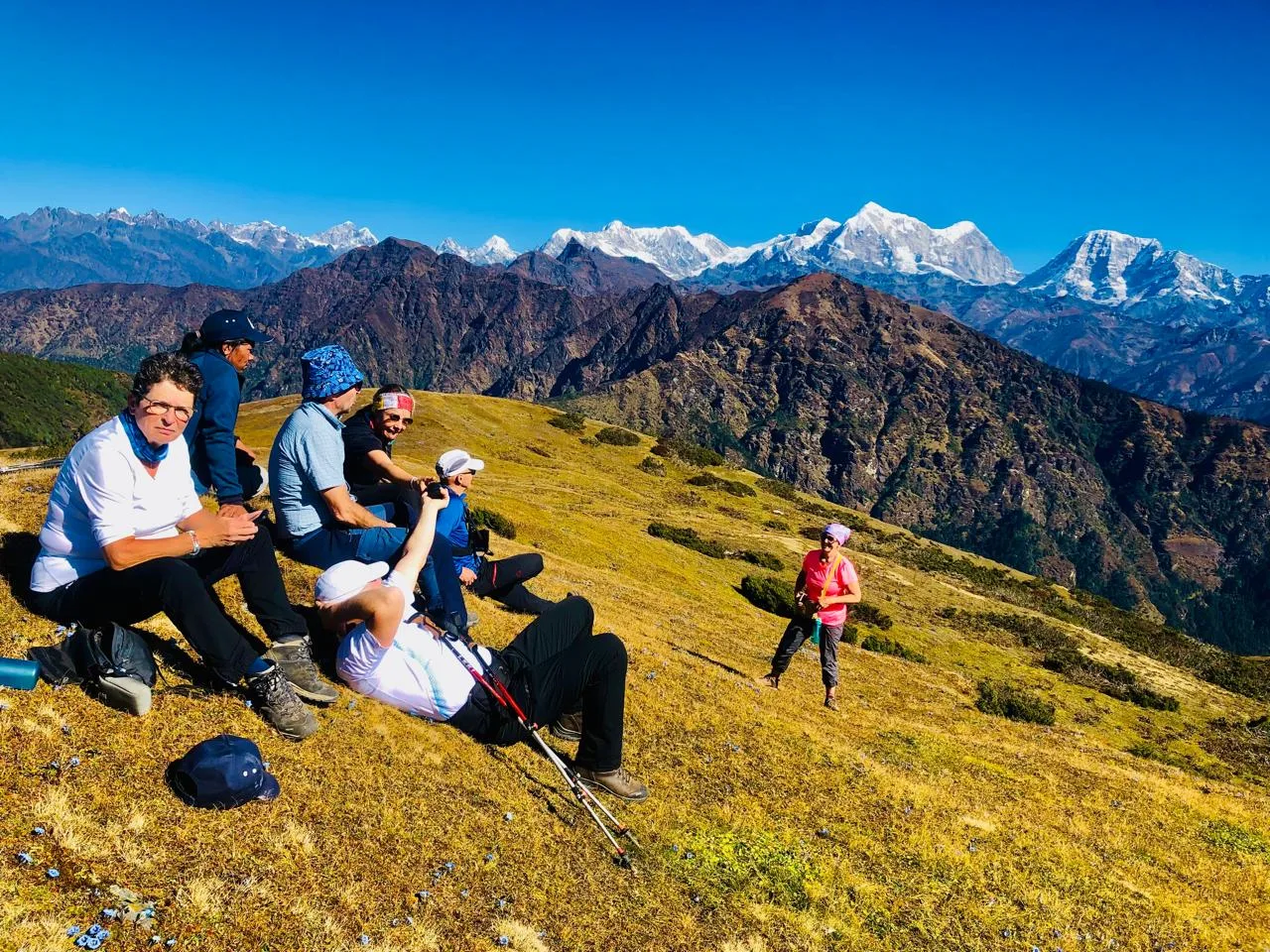
This trek is long, high, and physically demanding, requiring good fitness and proper acclimatization, but it rewards you with some of the most spectacular mountain scenery on Earth — including four 8,000-meter peaks in one journey.
The Everest Three Passes Trek is not just a hike — it is a true Himalayan adventure through nature, culture, and the highest mountains in the world.
|
Altitude maximum |
5550 m Kala Pather |
|
Region |
Everest |
|
Accommodation |
Hotel, Lodge, Resident |
|
Transport |
Airplane, Jeep |
Everest Three Passes Trek – 20 Days Itinerary
A world-class Himalayan adventure crossing three high passes above 5,300 m, combining Everest Base Camp, Gokyo Lakes, glaciers, Sherpa culture, and the most iconic viewpoints of the Khumbu region.
Day 01 – Arrival in Kathmandu (1300 m)
Arrival in Kathmandu. Warm welcome at the airport and private transfer to your hotel. Rest after your journey or explore nearby streets, cafés, and markets at your own pace.
Accommodation: Hotel
Day 02 – Kathmandu Sightseeing & Trek Preparation
Full day guided cultural tour of Boudhanath Stupa and Pashupatinath Temple. Learn about Nepal’s spiritual culture and complete trek preparation with your guide.
Accommodation: Hotel
Day 03 – Flight to Lukla (2,800 m) – Trek to Phakding (2,600 m)
Scenic mountain flight to Lukla Airport. Begin trekking through beautiful Sherpa villages, rivers, suspension bridges, and forest trails to Phakding.
Walking: 3 hrs | 8 km
↑ +200 m | ↓ -380 m
Accommodation: Lodge
Day 04 – Phakding to Namche Bazaar (3,440 m)
Follow the Dudh Koshi River, cross suspension bridges, and climb steadily to Namche Bazaar, the gateway of Everest. First glimpses of Himalayan peaks appear.
Walking: 5–6 hrs | 10–11 km
↑ +1,050 m | ↓ -350 m
Accommodation: Lodge
Day 05 – Namche Bazaar to Thame (3,820 m)
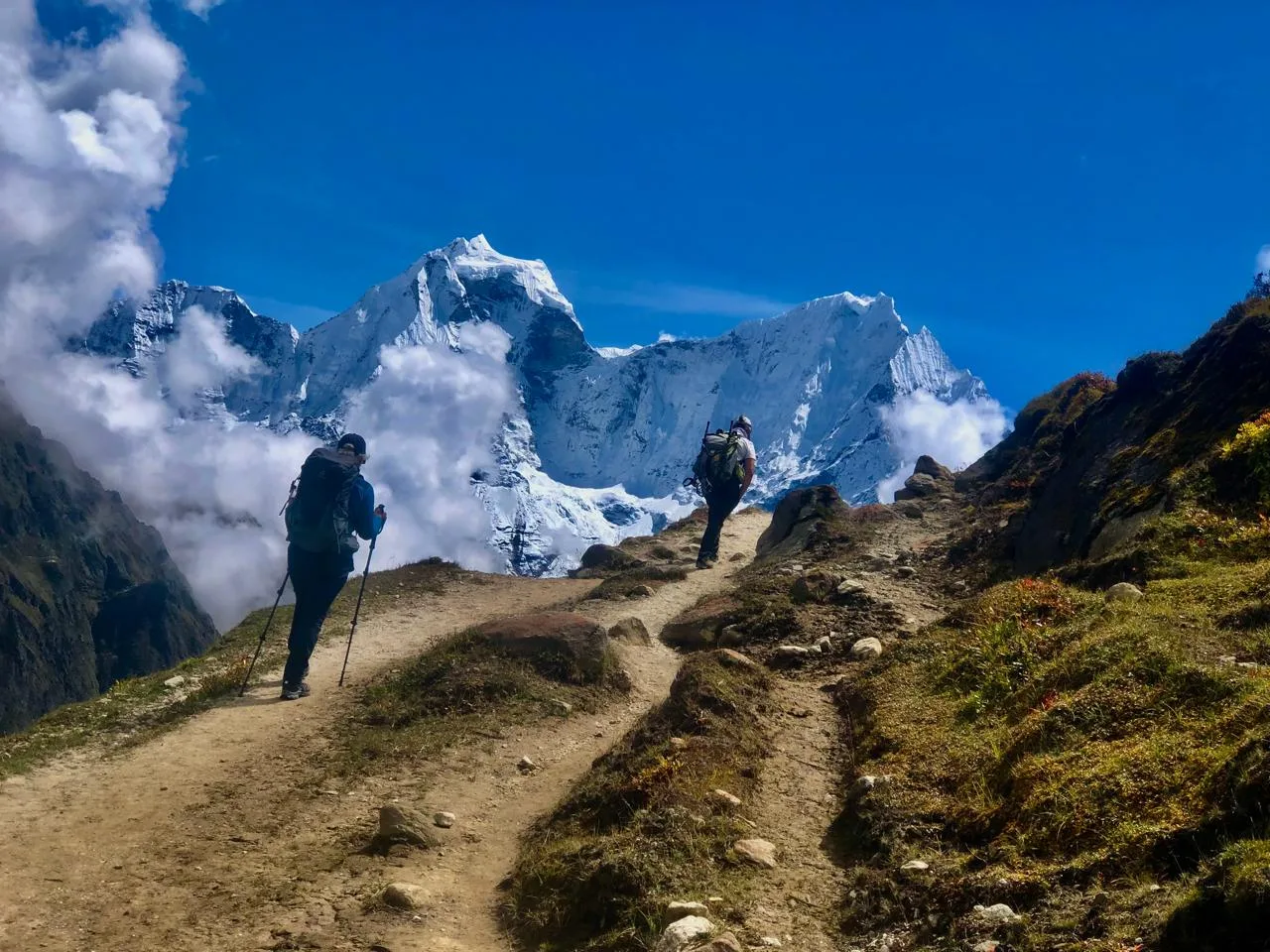
A peaceful trail through forests and traditional villages with views of Kongde Ri and Pachermo Peak. Visit the historic Thame Monastery, a spiritual highlight.
Walking: 5 hrs | 8 km
↑ +660 m | ↓ -250 m
Accommodation: Lodge
Day 06 – Acclimatization Hike: Sunder Peak (5000m)
Important acclimatization day. Hike to Sunder Ri for breathtaking views of Everest, Cho Oyu, and surrounding peaks. Return via monastery visit and rest.
Walking: 6 hrs (round trip)
↑ / ↓ 980 m
Accommodation: Lodge
Day 07 – Thame to Lumde (4,360 m)
Trek into remote Nangpa La valley, once a historic trade route between Nepal and Tibet. Quiet landscapes and pure Himalayan wilderness.
Walking: 5–6 hrs
↑ +600 m | ↓ -70 m
Accommodation: Lodge
Day 08 – Lumde- Renjo La Pass (5,350 m) – Gokyo (4,790 m)
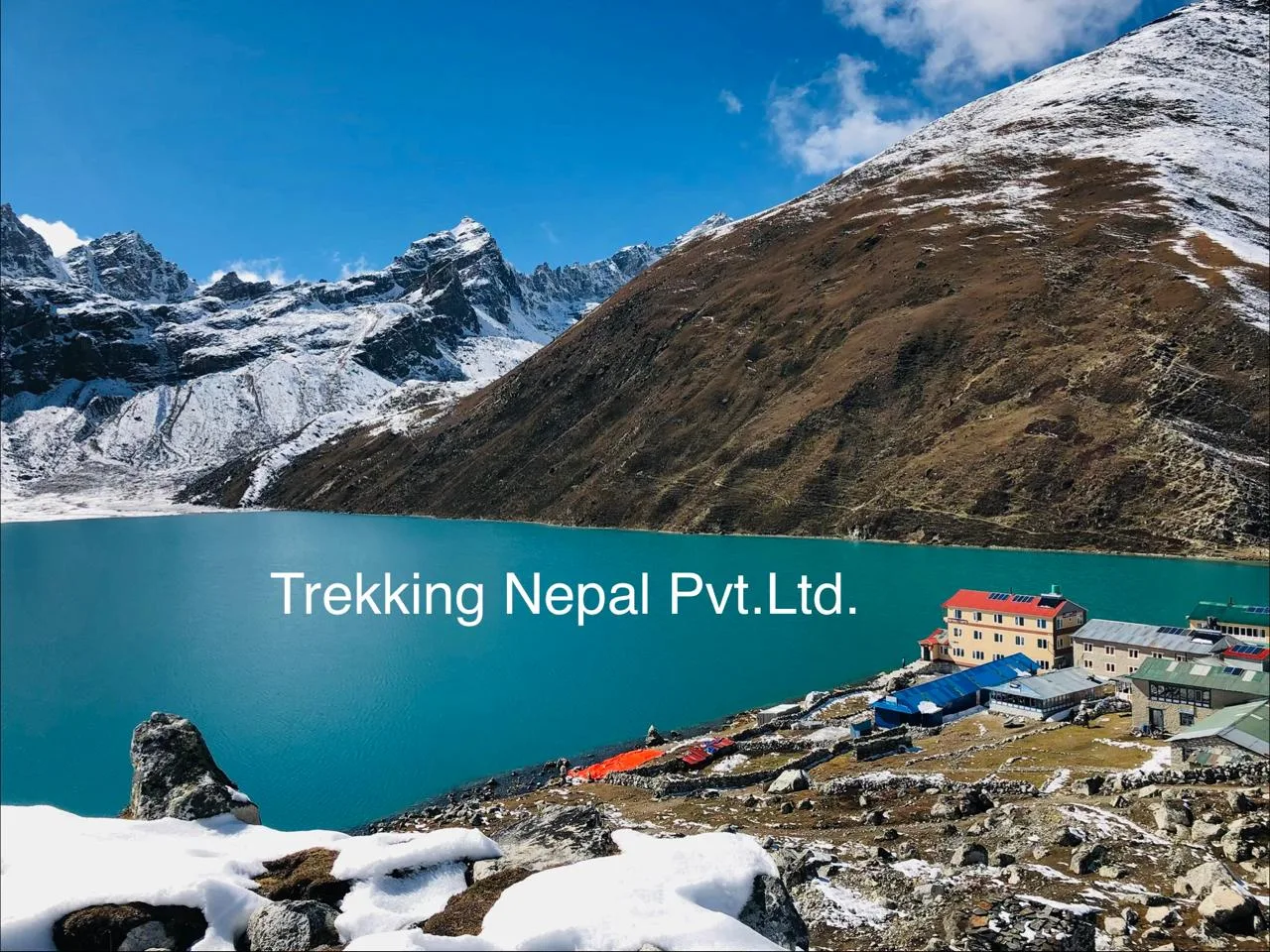
Early morning ascent to Renjo La Pass with one of the best views in the Himalayas—Everest, Lhotse, Makalu, Cho Oyu, and more. Descend to the beautiful Gokyo Lakes.
Walking: 8 hrs
↑ +1,050 m | ↓ -650 m
Accommodation: Lodge
Day 09 – Gokyo- Gokyo Ri (5,360 m) – Dragnag (4,700 m)
Sunrise hike to Gokyo Ri for unforgettable panoramic views. Then cross the Ngozumpa Glacier to Dragnag, a remote mountain settlement.
Walking: 6 hrs
↑ +670 m | ↓ -200 m
Accommodation: Lodge
Day 10 – Dragnag -Cho La Pass (5,420 m) – Dzongla (4,840 m)
Challenging glacier crossing over Cho La Pass with rocky terrain and icy sections. Stunning mountain scenery all day.
Walking: 7 hrs
↑ +770 m | ↓ -610 m
Accommodation: Lodge
Day 11 – Dzongla to Lobuche (4,910 m)
Short and scenic walk into the Khumbu valley with dramatic glacier views and peaceful alpine landscapes.
Walking: 3 hrs
↑ +250 m | ↓ -150 m
Accommodation: Lodge
ay 12 – Lobuche (4,910 m) – Gorakshep (5,164 m) – Everest Base Camp (5,364 m) - Gorakshep (5,164 m)
Trek from Lobuche through the stunning Khumbu Glacier valley to Gorakshep, the last settlement before Everest Base Camp. After a short rest, continue to the legendary Everest Base Camp, surrounded by massive icefalls and towering peaks. Feel the true spirit of Everest before returning to Gorakshep for overnight stay.
Walking: 7–8 hrs
↑ +450 m | ↓ -200 m
Accommodation: Lodge
Day 13 – Gorakshep (5,164 m) – Kala Patthar (5,550 m) – Lobuche (4,910 m)
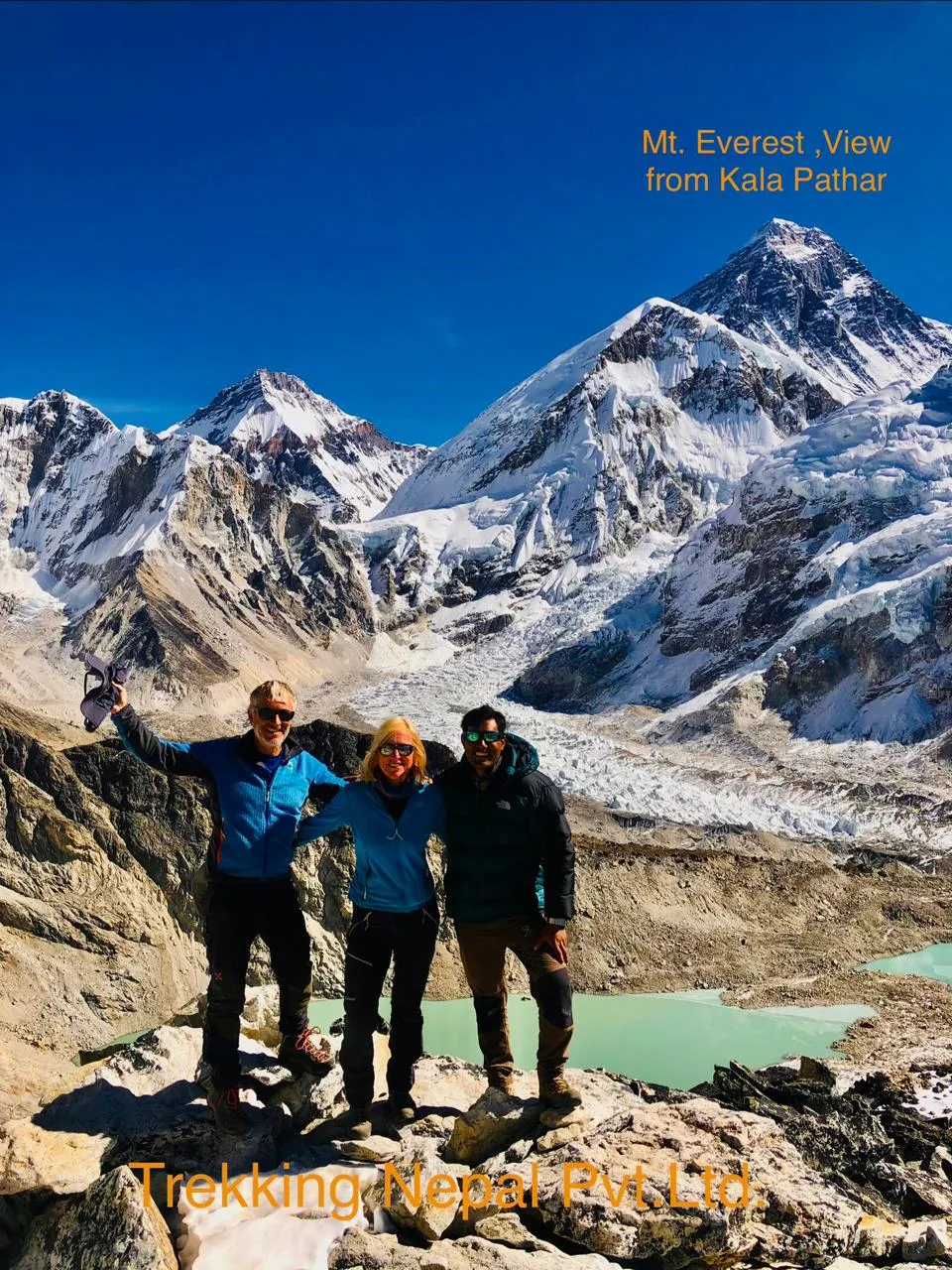
Early morning hike to Kala Patthar for the most breathtaking sunrise view of Mount Everest and surrounding peaks like Nuptse and Pumori. After enjoying the unforgettable panorama, descend back to Gorakshep and continue trekking down to Lobuche for a comfortable overnight stay.
Walking: 6–7 hrs
↑ +640 m | ↓ -640 m
Accommodation: Lodge
Day 14 – Lobuche- Kongma La Pass (5,535 m) – Chhukung (4,730 m)
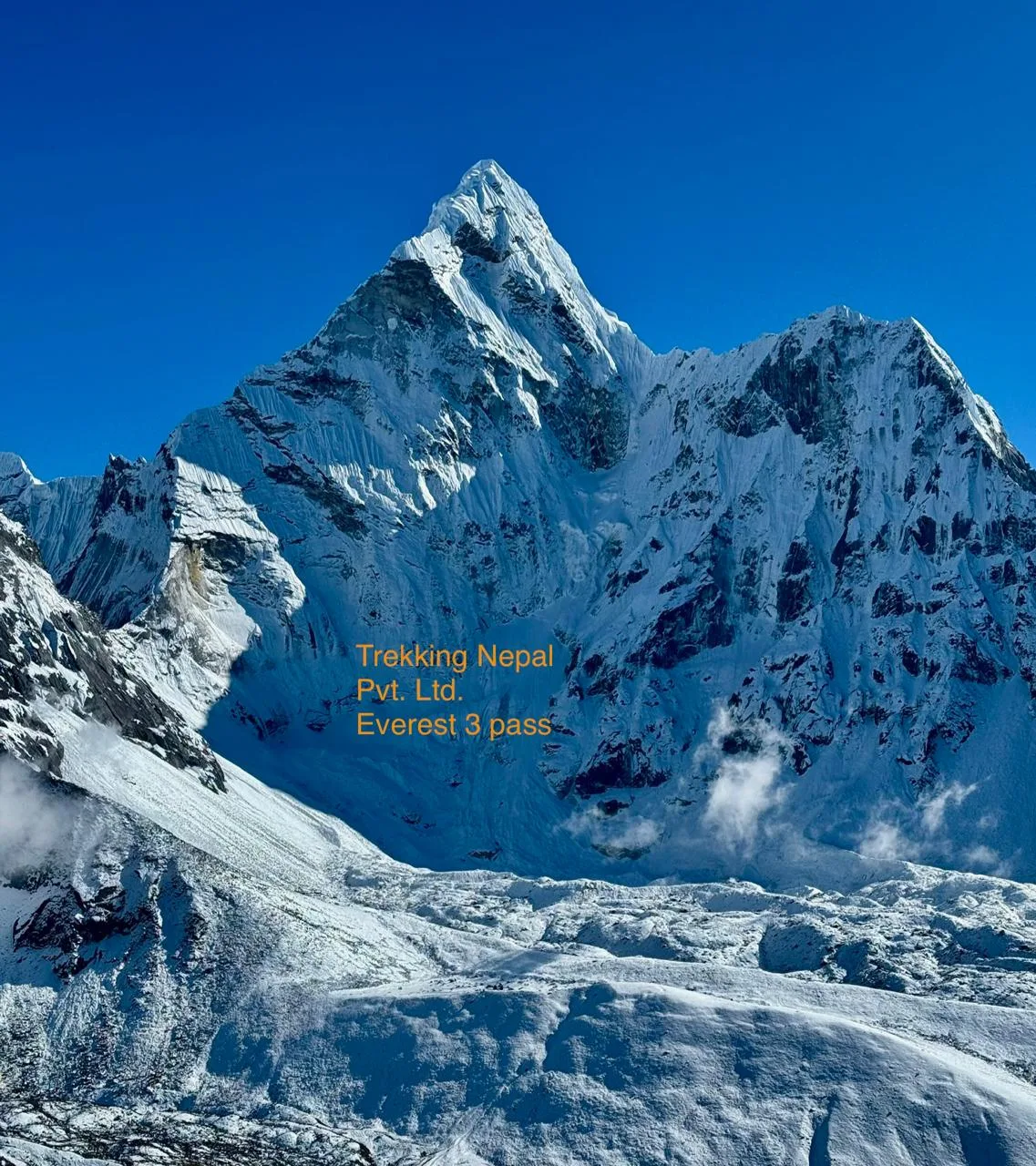
One of the toughest days. Early start crossing Kongma La Pass with incredible views of Lhotse, Makalu, Ama Dablam, and surrounding peaks. Long descent to Chhukung valley.
Walking: 7 hrs
↑ +650 m | ↓ -800 m
Accommodation: Lodge
Day 15 – Chhukung - Chhukung Ri (5,550 m) – Dingboche (4,410 m)
Morning hike to Chhukung Ri for a powerful panoramic view of the entire Everest region. Later descend gently to Dingboche, a beautiful high-altitude village.
Walking: 5–6 hrs
↑ +600 m | ↓ -800 m
Accommodation: Lodge
Day 16 – Dingboche to Khumjung (3,780 m)
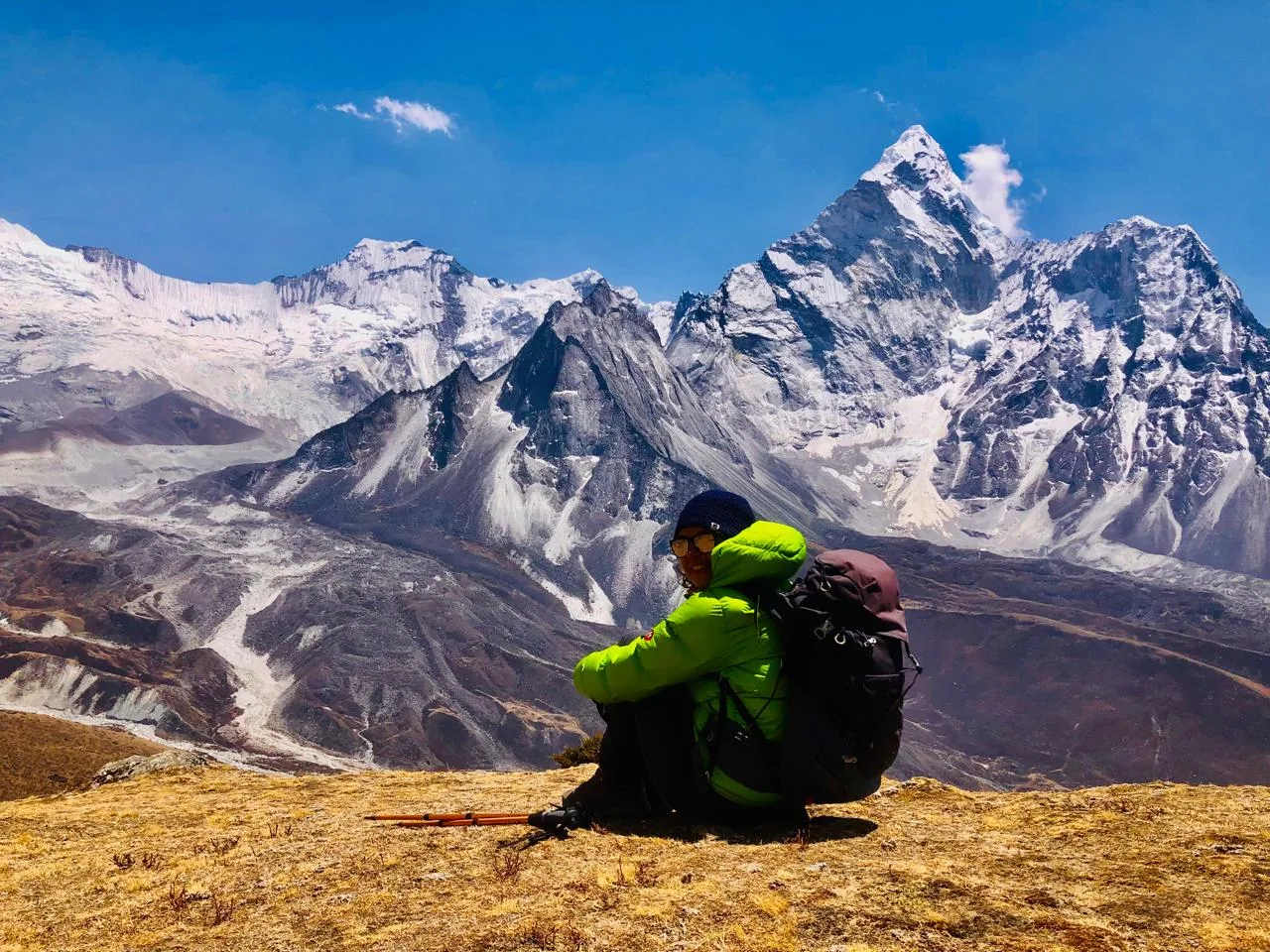
Descend through Pangboche and Tengboche Monastery, enjoying forest trails and Sherpa villages. Reach Khumjung with stunning views of Ama Dablam.
Walking: 6–7 hrs
↑ +150 m | ↓ -650 m
Accommodation: Lodge
Day 18 – Phakding – Lukla (2,800 m)
Easy and pleasant walk back to Lukla, following the same scenic trail through suspension bridges, forests, and Sherpa villages. Final day on the trekking route with time to relax and celebrate with your team.
Walking: 3–4 hrs
↑ +200 m | ↓ -200 m
Accommodation: Lodge
Day 19 – Lukla to Kathmandu & Free Day
Early morning scenic flight back to Kathmandu. Transfer to your hotel and free time for rest, shopping, or exploring the city. Final preparation for departure.
Accommodation: Hotel (if needed)
Day 20 – Final Departure
Private transfer to the international airport according to your flight schedule. End of your unforgettable Himalayan adventure in Nepal.
Safe journey and see you again in the mountains!